Nature's fastest-growing organism
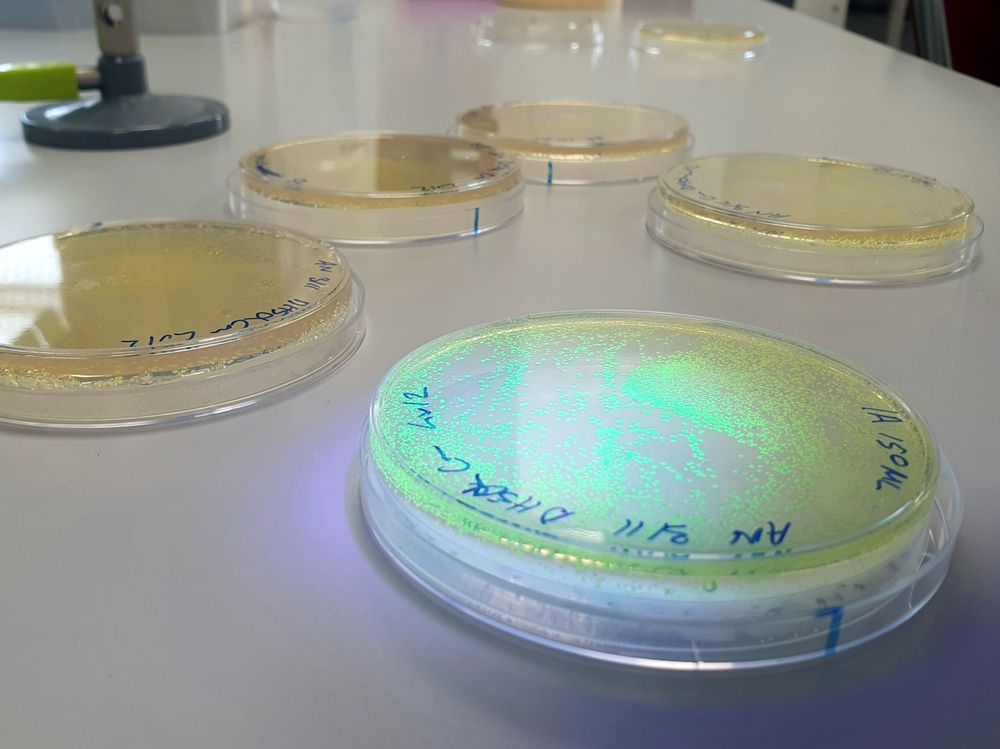
Anna Faber, a synthetic biologist at the University of Western Australia, is one of the six finalists of our Scientists for Nature Challenge 2026: A quantum leap for biodiversity. She presented her work at the 75th Anniversary Lindau Nobel Laureate Meetings.
Imagine harnessing the fastest-growing known organism to accelerate discoveries and help tackle global challenges such as plastic pollution. Anna and her team are advancing genetic and metabolic engineering in the marine bacterium Vibrio natriegens for plastic degradation and bioplastic production.
In the FritzLab, they developed a modular genetic toolbox comprising more than 220 parts, enabling efficient engineering of this bacterium.
Using this platform, they are investigating a bacterial genus that had previously not been experimentally validated for PET plastic degradation at the protein level. In parallel, they are laying the foundations to convert carbon from waste streams into biodegradable plastic alternatives under saltwater conditions. By combining synthetic biology, bioinformatics, and marine biotechnology, their work aims to develop scalable technologies that help address the growing environmental burden of plastic waste.