Pathogen monitoring
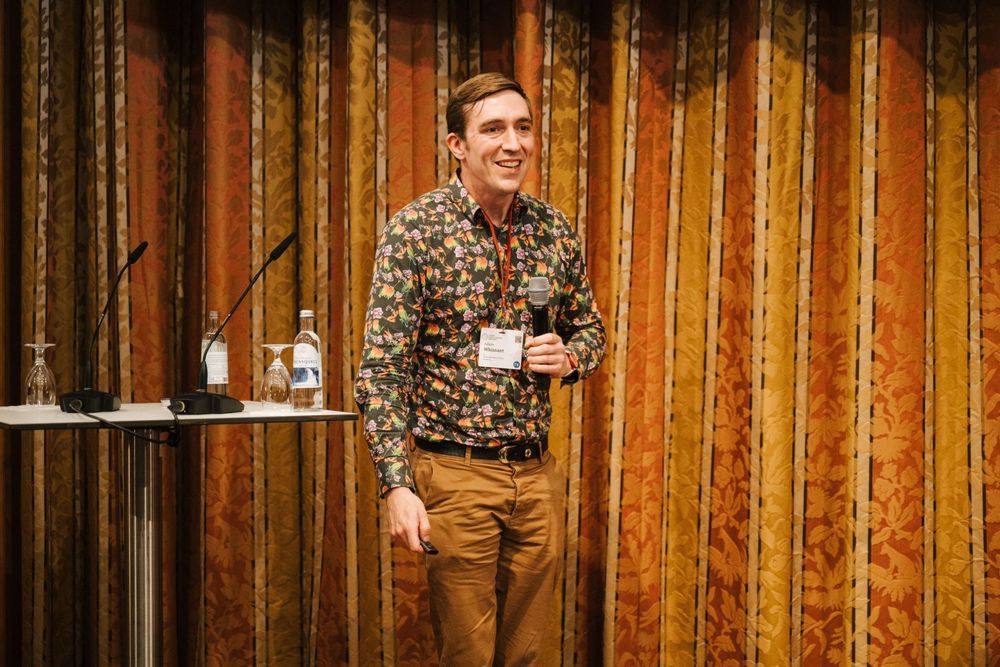
Adam Whisnant, a Lindau Nobel Laureate Meetings 2018 and 2025 alumnus, virologist, and transcriptomics researcher at the Medizinische Hochschule Hannover, is tackling one of the most urgent and overlooked challenges in conservation: climate-driven disease outbreaks that threaten endangered species.
As extreme weather, shifting habitats, and human encroachment bring species into new contact, pathogens are emerging and crossing species faster than traditional diagnostics can track. Many critically endangered animals have no genomic references at all, making it nearly impossible to detect novel diseases before they cause large outbreaks.
To confront this, Adam is developing PathoSAGE, an AI-powered genomic early-warning system capable of detecting known, novel, and even engineered pathogens directly from environmental samples. By combining high-throughput sequencing with advanced machine-learning tools, PathoSAGE can map pathogen communities, predict risk, and generate field-ready diagnostic tools for conservation teams.
This approach has the potential to prevent the kinds of outbreaks that have devastated wildlife populations and to reduce spillover risks intensified by climate change. Adam is seeking collaborators with access to endangered species, wildlife hospitals, and field sites who can provide samples and ecological context to help bring this genomic early-warning system to life.