Centre for Climate Repair at COP30 in Brazil
The Families for Nature Foundation has been supporting the pioneering work of the Centre for Climate Repair (CCR) at the University of Cambridge by funding two PhD students working on one of its most ambitious initiative, Refreeze the Arctic.
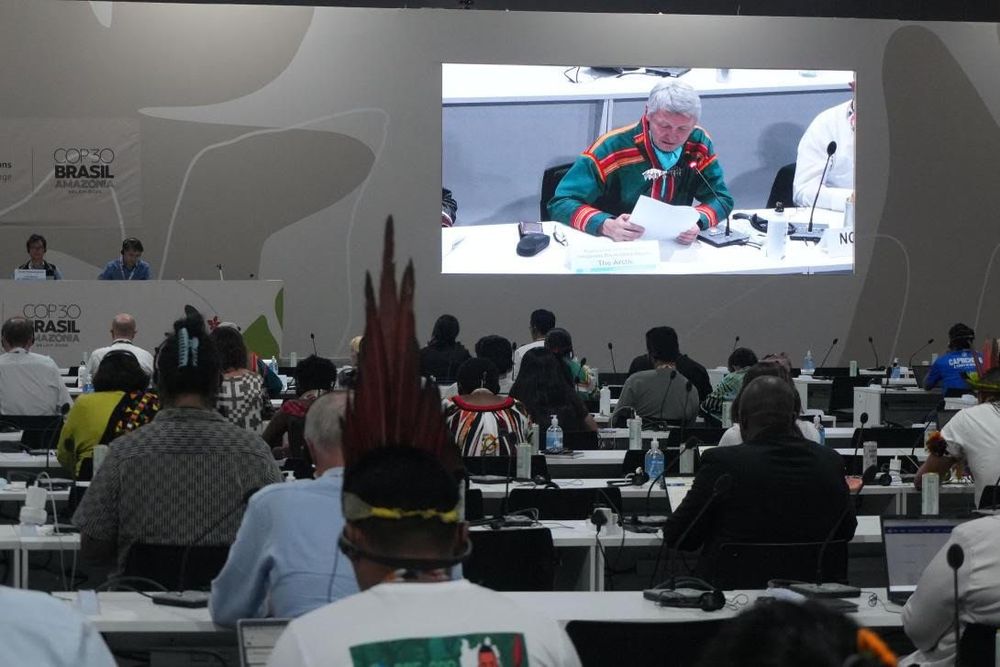
At COP30 in Brazil, CCR showcased further groundbreaking approaches to tackling climate change. The conference highlighted the urgent need for climate repair, emphasising that reducing emissions alone is not enough; innovative strategies are also required to remove excess CO₂ from the atmosphere and stabilise critical climate systems.
CCR researchers presented their latest work on marine carbon dioxide removal (mCDR), illustrating how carefully designed interventions could help extract billions of tonnes of CO₂ each year. Their sessions demonstrated that climate repair can be both science-based and practical, offering pathways to complement emission reductions while ensuring environmental responsibility and global equity.
Beyond carbon removal, CCR’s presence at COP30 emphasised the importance of interdisciplinary collaboration. By bringing together expertise in engineering, physical sciences, social sciences, and governance, CCR ensures that proposed solutions are not only technically viable but also socially and ethically sound. Their work serves as a model for how research institutions can translate cutting-edge science into real-world climate action.
Key takeaways from COP30 and CCR’s work include:
- Tackling climate change requires both emission reductions and climate repair strategies.
- Science-based approaches like mCDR are practical, measurable, and scalable when combined with strong governance.
- Collaboration across disciplines, sectors, and nations is essential to implement climate repair responsibly.
- Public engagement and transparent communication are critical to ensure that communities are included and informed in decision-making.
For a detailed overview of CCR’s participation at COP30, please see the full article here: Climate Repair at COP30.
We proudly support the University of Cambridge and the Centre for Climate Repair in these pioneering efforts. Refreeze the Arctic aims to slow Arctic ice loss, reduce warming feedbacks, protect ecosystems, and support vulnerable communities. For more information, see Climate Repair – Refreeze the Arctic Project.